
This post may contain affiliate links. Disclosure here.
When Skye was first diagnosed, I wanted someone to hand me a list, not a clinical pamphlet or a forum thread from 2009. I just needed, “here’s what you need, here’s what actually works, here’s what you can probably skip”.
That’s what I’m aiming to provide you in this blog post.
It’s taken us years to get here. Some of it’s things we use every single day and some of it’s things we tried, failed with, and decided wasn’t working for us. I’ve included everything, because knowing what didn’t work for us is just as useful as knowing what did.
For context: Skye is six, diagnosed with ADHD and ODD at the age of 4. She’s on medication now, but a lot of what’s in this post predates the medication and continues alongside it. I’ll flag what’s changed since she started meds, because that matters.
If you want the full story, I’ve written about Our Journey with ADHD, but you don’t need to have read that for this post to make sense.
1. Vitamins and Supplements
Before Skye was diagnosed, and before medication was on the table, we relied heavily on supplements. I want to be clear: they’re not a substitute for a proper assessment or medication if that’s the route you take, but we saw enough of a difference that we’ve kept most of them going alongside everything else.
Omega 3 is non-negotiable for us. The research on Omega 3 and ADHD brains is genuinely solid and it’s one of the few supplements that shows up consistently across studies. We use the SmartyPants Kids Complete multivitamin with Omega 3 built in. It covers the multivitamin base and the Omega 3 in one go, which means one less battle at the medicine cabinet.

Skye has taken these without complaint since she was small, which if you know anything about getting supplements into kids, is basically a miracle.
Before medication we also used L-theanine and L-carnitine, both in bulk powder form, added in small amounts to her morning juice. L-theanine in particular has some decent evidence behind it for supporting focus and reducing anxiety in kids with ADHD. L-carnitine is less studied but was recommended to use alongside the L-theanine.
L-carnitine is less clear-cut and the research is mixed, but there’s some suggestion it may help with inattention specifically, and as a naturally occurring compound involved in how the brain processes energy, it felt like a reasonable thing to try alongside it. Your paediatrician is the right person to ask if you’re considering it.
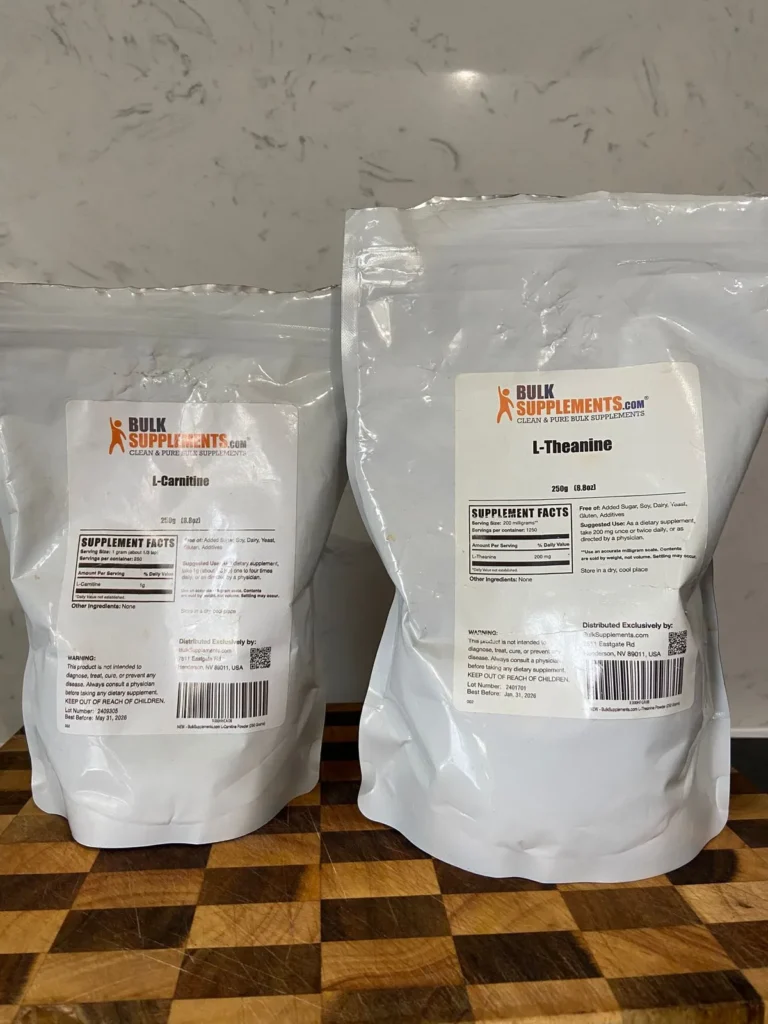
We drifted away from these supplements after she started her medication, but I’m actually planning to bring them back to see how they work alongside the one another.
If you go this route, please check with your doctor first, especially if your child is already medicated. Supplement interactions are real. Oh and I should also mention that grapefruit or grapefruit juice has been known to counteract with some medications and supplements. I only realised when my mom pointed this out after she got feedback from her Dr for medication that she’s on. Good to know…
I’d also like to give an honourable mention to Bioray Kids! We used the Focus and Calm for a long time and could genuinely see a big improvement with Skye. The only reason we’re not using them anymore is because they’re hard to come by where we now live in Saudi Arabia, but these are genuinely great products which I would recommend.
2. Diet
Diet is the one I find hardest to talk about, because it’s also the one I feel most judged on. Skye has lost weight since starting medication which is a known and common side effect of stimulant medication, and we’re actively trying to get more into her. So if you’re here looking for a perfect ADHD diet plan, I’m not your person. What I can tell you is what we actually do.
The goal in our house is to prioritise protein wherever we can, keep blood sugar as stable as possible, and not turning every meal into a battle.
Protein matters more than almost anything else, especially in the mornings before medication kicks in. Most days she wants chicken nuggets and chips for dinner. I don’t fight her on that, I’m just glad she’s eating. I’ll add mixed veg on the side and pick my battles.
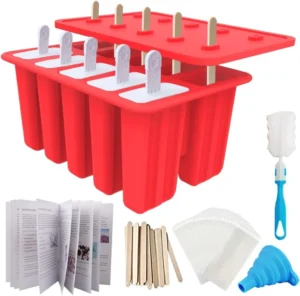
Where I can sneak in protein without a fight: Greek yogurt with protein powder instead of the shop-bought stuff (she can’t tell the difference) or pasta cooked in chicken broth with an egg yolk stirred in at the end. Another hit in this house is our homemade ice lollies made with berries, coconut milk and lemon instead of the sugar-loaded supermarket versions. You can also add a supplement powder to if you want, and they’ll never know.
School lunches are deliberately simple: a sandwich, cucumber and cherry tomatoes, a piece of fruit, a few pretzels or plain crisps. And of course, water only, no juice. I keep sugary snacks out of the lunchbox, because the blood sugar crash mid-morning isn’t worth it.
One practical thing worth knowing: Some ADHD meds significantly suppresses appetite, particularly at lunchtime. Skye often comes home having eaten very little of her lunch. We’ve stopped being upset about this and started compensating: bigger breakfast before the medication kicks in, a proper snack the second she’s home from school, and a dinner she actually wants to eat rather than what I think she should eat.
3. Sensory Tools and Stimulation
There are hundreds of sensory products marketed at ADHD kids, and you cannot and should not buy them all. What works for one child will do absolutely nothing for another. Skye has broken more fidget toys than I can count, doesn’t get on with weighted blankets, and finds visual timers anxiety-inducing rather than helpful.
Knowing what doesn’t work for your child is just as valuable as knowing what does. Here’s our actual list.
Wobble Board
Skye is hyperactive in a way that means sitting still is physically uncomfortable for her, not just a preference. It gives her somewhere to put that energy without her having to get up. We’ve had ours for over a year and it’s still in daily use, which for Skye means it’s genuinely working.

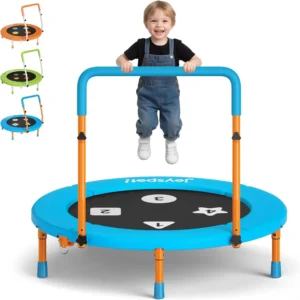
Indoor Trampoline
Five minutes on this before homework has a measurable effect on how the homework goes. We’re not talking about tiring her out, just about giving the vestibular system what it needs so the rest of the evening doesn’t have to absorb it. Plus it’s boat loads of fun and of course she’s free to use it as and when she wants to.
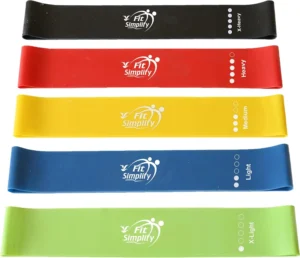
Resistance Bands
If your child kicks a lot when seated at the kitchen or dining room table, then believe me when I tell you that this is the easiest and most effective hack I’ve ever come across. Resistance bands on chair legs! Skye used to kick the table constantly during meals so I looped a resistance band around the front legs of her chair so she has something to push against with her feet. This stopped the table-kicking almost immediately and it’s cheap as chips.
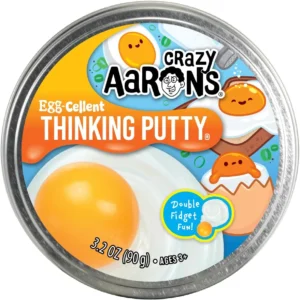
Clay or Play Doh
We’ve tried every fidget toy on the market and she destroys them all. Clay keeps her hands busy without breaking, and she actually makes things with it, which means it holds her interest longer than a spinner or a cube. She’s also recently started hyperfixating on cutting and instead of using paper and having tiny pieces of paper littered all over the house, she cuts the clay or play doh instead and forms it back together to do it all over again.
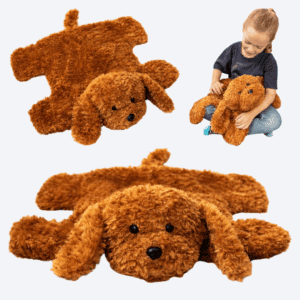
Weighted Lap Pad
Yes, I know I said that Skye didn’t take to a weighted blanket, but a weighted lap pad is a different story. She’s in a big teddy bear phase right now, and the weighted lap teddy she has goes everywhere with her. The proprioceptive input is the same as a blanket, but she actually uses this one because it doesn’t feel clinical. If your child has rejected the blanket, try something that looks like a toy.
4. Routine & Structure
Routine is the thing that holds everything else together. ADHD brains struggle with the uncertainty of ‘what’s next’ in a way that’s not just preference, it’s neurological. When Skye knows what’s coming, the resistance drops significantly and when she doesn’t.
We have two whiteboard calendars on the fridge, a monthly overview and a weekly one. Everything goes on there from school days, after-school activities, weekend plans, doctor’s appointments, to holidays. Skye keeps a small magnet that she moves to the right day each morning, and this has helped her memorise the days of the week, and gain a better understanding of how time and days work.
Practical tip that took me longer than I’d like to admit to figure out: I write the important fixed information in permanent marker so Skye can’t accidentally wipe it off. Her daily tasks and routines go in dry-erase. At the end of each week I use a dry-erase marker over the permanent marker and wipe it clean and it lifts the permanent ink too. A small thing, but it means she has full ownership of her own calendar without me having to redo my key dates every week.
We also run a morning routine tick list where she checks off each task as she goes. There’s no reward attached, it’s just a simple now-next system that helps her build independence without needing me to direct every step. You can download a copy of our morning routine checklist for free.
5. Behaviour
We have tried everything from emotions charts, visual toilet training cards, punishment charts to TV tokens and sticker charts. Some worked for a bit, but it was trial and error and they didn’t always stick. The one that has lasted is the sticker chart, mainly because it mirrors what they do at school, which means Skye already understands the rules.
The system is straightforward: a sticker for positive behaviour, one removed for behaviour that crosses a clear line. At the end of the week, if she’s hit her target, she gets her reward, which in her case is either a trip to McDonald’s or a new teddy bear.
Sometimes it isn’t only about the Child’s Behaviour, but the Parents’ as well. Here are two books that can help to not only better understand your child’s brain and way of thinking, but also your own behaviours and actions, and how you choose to parent.
The Explosive Child by Ross W. Greene – I picked this up because Skye has ODD alongside her ADHD diagnosis, and the aggression that comes with that was something neither my husband nor I were equipped to handle. The book reframes explosive behaviour not as defiance but as a skill deficit – kids lack the skills to handle frustration and disappointment, not the motivation to behave. That one shift changed everything about how I respond to her worst moments.

Being At Your Best When Your Kids Are At Their Worst by Kim John Payne – less about the child and more about how you survive the process without burning out. ADHD kids seek dopamine in reactions whether they are positive or negative and this book helped me stop feeding that loop.

6. Movement
Movement isn’t optional for ADHD kids, because it’s an incredible regulation tool.
We’ve tried various sports with Skye over the years. Football brought out her aggressive side, because it was too chaotic and too competitive. Ballet has been a surprise hit though and not something that I would have predicted in a million years. The structure of it suits her, and there’s something about the physical discipline of it that she responds to well. Gymnastics is the other one she’s obsessed with right now, mainly in the form of handstands and cartwheels across the living room, which is why we bought a fold-up gymnastics mat. Today also happens to be her very first formal gymnastics class so I’m eager to see how she responds to it.
If sport doesn’t work for your child, movement in any form counts. Swimming, a walk, or even just ten minutes in the garden. The goal is giving the body what it needs so the brain can do its job.
7. Calm Corner
When emotions get too high, Skye has a space she can go to. We don’t have anything elaborate set up, just a book nook area with some cushions, her colouring things, and whatever sensory items she’s into at the time. When she’s heading towards a meltdown I’ll usually go and sit with her for a few minutes. I’m a firm believer of stepping into their world and being present after a meltdown, rather than isolating them ina time-out corner.
I’ve seen so many inspirational Calm or Sensory Corners, and while they look lovely, you really don’t need anything elaborate or expensive.
8. Your Village & Findig Your People
Navigating an ADHD diagnosis, especially one that comes with ODD, or aggression, or a child who is simultaneously the most exhausting and most wonderful person you’ve ever met, is isolating in a way that’s hard to describe until you’re in it.
Find a paediatrician you actually trust and seek an OT referral if sensory issues are significant. Also prioritise finding at least one other parent who gets it whether that be online or in person. The Facebook groups are patchy but some of them are genuinely good.
You will make mistakes and lose your temper, and have lots of days where you feel like you’re doing everything wrong, so it’s important to have someone or somewhere where you can offload and ask for support.
Do we have it all figured out? Absolutely not!
Our ADHD toolkit, as it is, is working very well for us, but I know that as Skye grows up, her needs and behaviours will change and we have to adapt to keep up with her. But it’s a solid starting point for any parent navigating ADHD in younger kids.
If you’re at the beginning of this journey, the most useful thing I can tell you is that there isn’t one answer. There’s a collection of things that work together, most of which you’ll find by trial and error over months and years.
I genuinely hope that what I’ve shared about our system will help you, and I’m really interested to know if there are things that you do differently and that actually works for you. Feel free to pop me a message or leave a comment.

The usual reminder: I’m not a doctor or therapist. Skye has a formal ADHD diagnosis and is under the care of a paediatrician. Everything here is what we do in our house — take what’s useful, leave the rest. Nothing here is medical advice.