This post may contain affiliate links. Disclosure here.

Picture this: toys everywhere, mismatched socks in the laundry, kitchen cabinets where lids go missing like socks in the wash. If you’ve ever felt like your home is working against you instead of for you, you’re not alone.
For moms, especially with young kids, household clutter isn’t just annoying, it’s exhausting. That’s where minimalist living comes in.
Now, before you roll your eyes and think “I can’t live with one chair and two cups,” hear me out: minimalism for moms isn’t about stripping life bare. It’s about creating breathing room in your home, routines, and mind.
So, what does it mean to be a minimalist mom?
Being a minimalist mom doesn’t mean living in an empty house or denying your kids toys. It means:
- Being intentional about what comes into your home.
- Cutting back on excess that doesn’t serve your family.
- Creating spaces that feel calm, organized, and manageable.
Even if you don’t commit 100%, incorporating minimalist habits helps reduce stress and anxiety, and gives your kids a calmer environment to grow in. For children with ADHD, especially, fewer visual distractions mean less overstimulation.
Why it’s worth it:
- Less clutter = less time cleaning up.
- More financial breathing room (because you’re not buying duplicates or “stuff for stuff’s sake”).
- A calmer, more welcoming home for the whole family.
Key Steps to Start Minimalist Living at Home
Minimalism isn’t a one-time clear-out, it’s an ongoing practice. Start with these steps:
- Declutter: Pick one area (toys, pantry, or clothes) and remove what you don’t use.
- Sort and Store: Use bins, containers, and labels to give everything a home.
- Daily Habits: Practice the “one in, one out” rule—if something new comes in, donate or toss something old.
- Weekly Check-ins: Pick one space (like the junk drawer or toy shelf) each week to keep clutter from creeping back.
- Maintenance Systems: Create rules like your “same sock” rule or “lids always on”, so the whole family stays on board.
Financial Benefits
Minimalism saves money because you stop buying things you don’t really need. Families today tend to over-consume! Extra gadgets, endless toys, clothes kids outgrow in months etc. By scaling back, you’ll notice:
- Lower grocery and household shopping bills.
- Less waste (donating and reusing items instead of replacing).
- More budget left over for experiences that matter (trips, activities, family time).
Toys and Minimalism
This one’s big for moms. Kids don’t need hundreds of toys, they need thoughtful play. Toy rotation is a game changer: pack away some toys and bring them back a week or two later. Your child will light up as if they’re brand new.
In my house, my daughter (who has ADHD) gets bored quickly. But when I rotate her toys, she gets excited to “rediscover” them. This cuts down clutter, keeps the playroom tidy, and saves us money on buying new toys.
Set yourself up for minimalist success
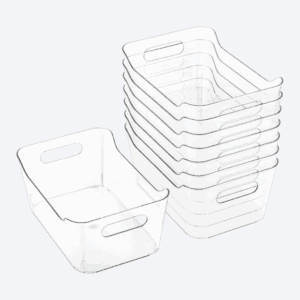
Clear Plastic Storage Bins – keeps toys, clothes, and kitchen items visible. Top Tip: Bins with lids are easy to stack and store, but for the kitchen, pantry and bathroom storage, its better to opt for no lids, making things easier to grab as and when you need it.
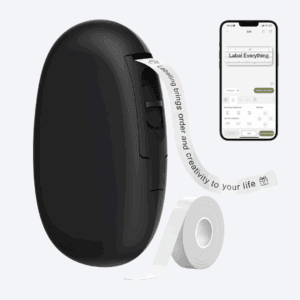
Label Maker or Chalkboard Labels – game changer for kids’ rooms and pantries. Top Tip: Bluetooth label makers gives you more flexibility in terms of fonts and sizes and it’s quicker to type out labels on your phone.
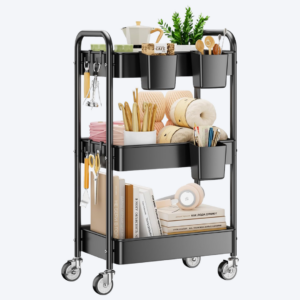
Slim Rolling Storage Cart – perfect for bathrooms, laundry rooms, or under-used spaces. Top Tip: These make great veggie storage racks too!
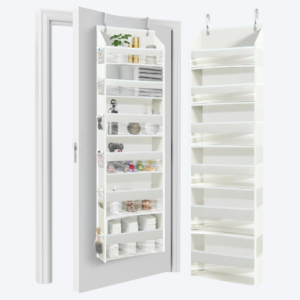
Over-the-Door Organisers – great for shoes, accessories, or art supplies. Top Tip: Don’t overload these with too many heavy things as it can weigh down your door and cause damage
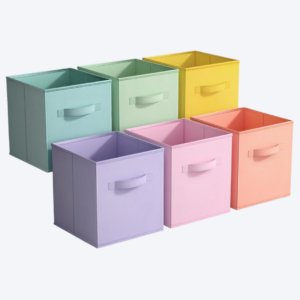
Collapsible Toy Storage Boxes – easy to tuck away when not in use.
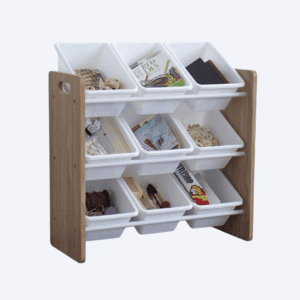
Toy Rotation Shelf (Montessori-style) – keeps toys minimal and accessible. Top Tip: I prefer this bucket system as you can display the toys for the week and the buckets make for easy grab and play.
Family Hacks We Swear By (that you can try too)
- The Same Sock Rule: Everyone wears black or white socks → no more mismatched pairs.
- Donation Bins in Kids’ Rooms: Clothes too small? Straight into the tub → when full, we donate.
- Toy & Clothing Rotation: Outgrown or forgotten = donate. Rotated toys = “new again.”
- The Lid Rule in the Kitchen: Containers must have lids to go back in the cupboard.
- Label Everything: Once labeled, no excuses—everyone knows where things belong.
Minimalism isn’t about being perfect. It’s about making your home work for you instead of against you. Start small, stay consistent, and you’ll notice the difference in your stress, your budget, and your family’s overall happiness.