
This post may contain affiliate links. Disclosure here.

How Simple Sensory Play Ideas Inspired Our Sensory & Fine Motor Journey
If your child struggles with focus, emotional regulation, or frustration during everyday tasks, sensory play and fine motor activities can make a noticeable difference.
When my daughter was in occupational therapy, I realised that so many of the tools we were using weren’t complicated, they were simple, intentional, and easy to recreate at home.
Below you’ll find:
- Fine motor toys that actually build independence
- Easy sensory play ideas you can set up today
- The best sensory toys for calming and focus
Quick Picks (If You Want to Skip Ahead)
- Best for calming: Weighted lap pad
- Best for fine motor strength: Lacing bead set
- Best for focus during homework: Fidget cube
- Best budget option: Kinetic sand kit
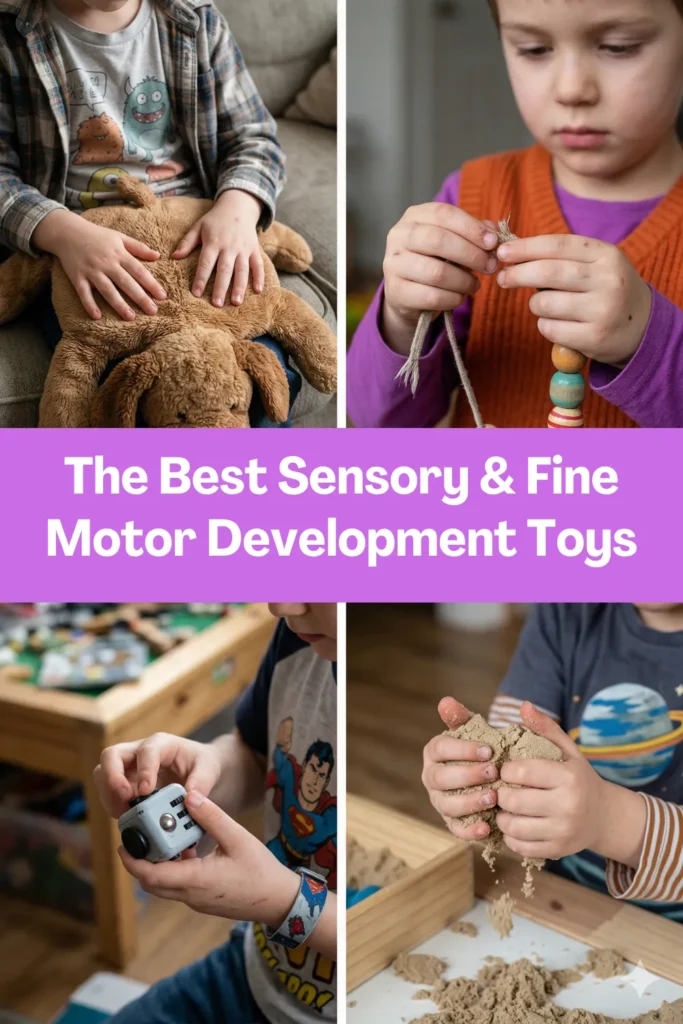
What Are Sensory and Fine Motor Skills (and Why Do They Matter)?
Sensory play is any activity that stimulates your child’s senses; touch, sight, sound, taste, smell, balance, or movement. When children explore these senses, they’re building new pathways in the brain. It helps with creativity, emotional regulation, focus, and even calming anxious energy.
Fine motor skills, on the other hand, focus on the small muscles in the hands and fingers. These are the skills that help kids hold a pencil, use scissors, button a shirt, or tie shoelaces. Without strong fine motor development, many daily tasks feel frustrating or even impossible for little hands.
For children with ADHD, autism, or other developmental needs, these skills are especially important, but honestly, every child benefits from them. The best part? Supporting them doesn’t need to feel like work. It can be woven into everyday play.
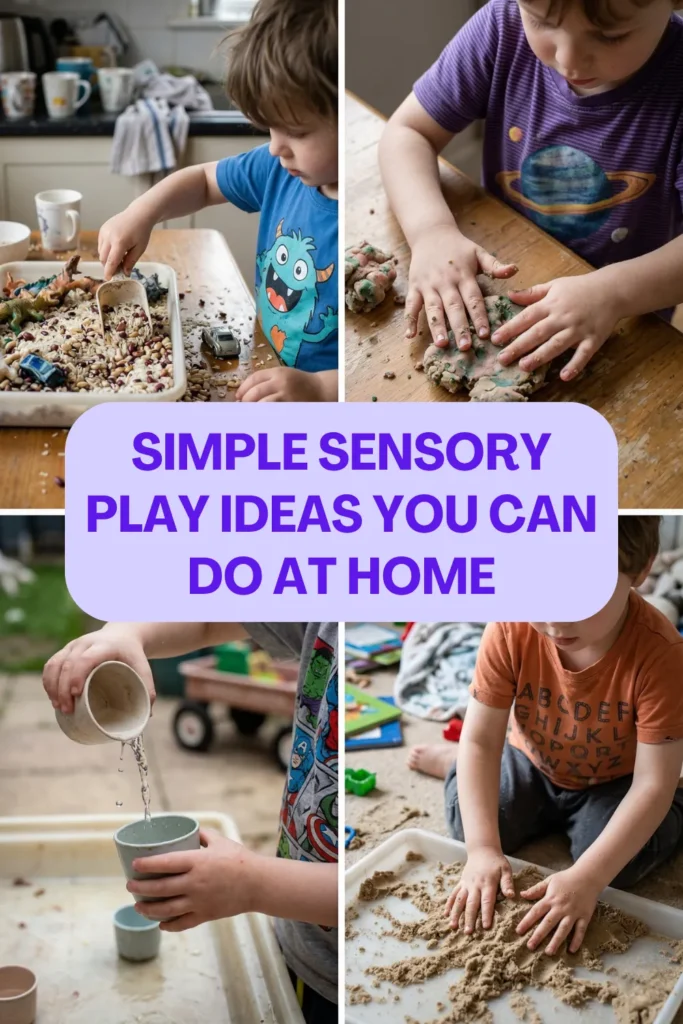
Simple Sensory Play Ideas You Can Do at Home
Inspired by a hands-on style, here are some easy ideas that you can set up today with things you may already have around the house:
- Rice or bean bins – add scoops, cups, and spoons for hours of tactile play.
- Playdough treasure hunt – hide beads or coins inside for kids to discover.
- Water play – give them funnels, sponges, and cups for pouring, squeezing, and splashing.
- Sand trays – let your child trace letters, numbers, or shapes with their fingers.
- Music & movement games – dance, clap, and play instruments to combine sound and body awareness.
These activities don’t require expensive setups, but they offer incredible benefits for sensory development.
Best Sensory Toys for Kids
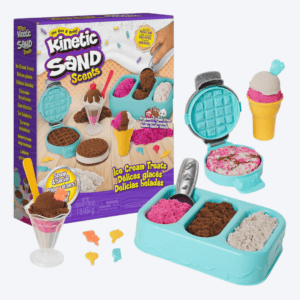
Best for Hands-On Sensory Play: The One & Only Kinetic Sand Scents Ice-Cream Playset
If your child struggles to sit still but loves tactile play, kinetic sand is a brilliant entry point. It provides rich sensory input without the mess of traditional sand.
The Kinetic Sand Scents Ice-Cream Playset adds imaginative play to the mix, which keeps kids engaged longer than basic sensory bins. The squeezing, moulding and scooping naturally build hand strength while calming busy energy.
Why it works:
- Soft, mouldable texture for sensory regulation
- Encourages imaginative play
- Strengthens grip and hand control
- Easy clean-up compared to traditional sand
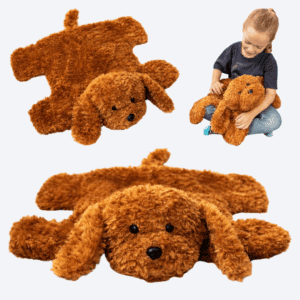
Best for Calming & Seated Focus: Odoxia Weighted Lap Pad for Kids
For children who struggle to stay seated during homework, meals, or travel, a weighted lap pad can provide grounding pressure without feeling restrictive.
The Odoxia Weighted Lap Pad for Kids is portable and breathable, making it easier to use at school or during car rides. Unlike full blankets, it offers calming input without overheating.
Why it works:
- Gentle deep pressure for regulation
- Travel-friendly size
- Helps improve seated focus
- Non-restrictive and lightweight
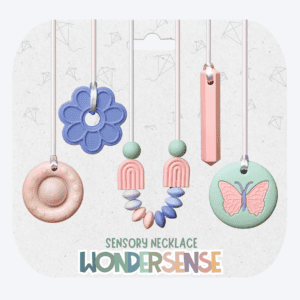
Best for Oral Sensory Needs: Whimsy Chew Necklaces
If your child chews on sleeves, pencils, or collars, they may be seeking oral sensory input.
Whimsy Chew Necklaces offer a safe alternative while still looking age-appropriate. They’re durable and discreet, which can make them more socially comfortable for older children.
Why it works:
- Safe oral sensory outlet
- Durable and easy to clean
- Reduces clothing and object chewing
- Discreet designs for school settings
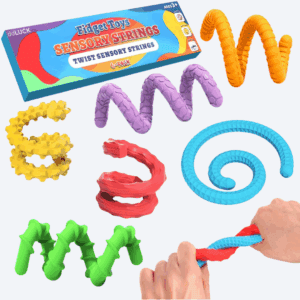
Best for Fidgeting Hands: Sensory Strings
Not all fidgets are created equal. Some distract more than they regulate.
The Sensory Strings are flexible, quiet, and easy to manipulate without drawing attention. They’re ideal for classroom or homework use where noise needs to be minimal.
Why it works:
- Quiet sensory input
- Helps channel restless energy
- Portable and classroom-friendly
- Encourages hand engagement without disruption
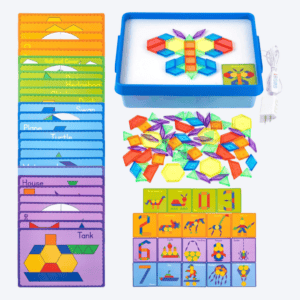
Best for Visual Exploration: Lightbox Playset
For children who respond strongly to visual input, a lightbox can completely transform play.
The Lightbox Playset encourages creativity, pattern recognition and fine motor coordination while offering a soothing visual experience.
Why it works:
- Encourages visual focus
- Builds creativity and problem-solving
- Supports fine motor development
- Ideal for calmer, seated play
Best Toys to Build Fine Motor Skills
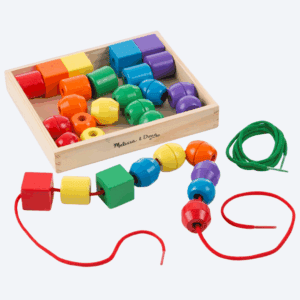
Best for Hand-Eye Coordination: Melissa & Doug Threading Beads
Threading beads may seem simple, but they build foundational hand strength needed for writing, buttoning and tying shoes.
The Melissa & Doug Threading Beads are durable and appropriately sized for little hands while still offering a challenge.
Why it works:
- Builds pincer grasp
- Improves coordination
- Encourages patience and focus
- Suitable for multiple age ranges
Best for Spatial Skills: Desire Deluxe Magnetic Building Blocks
Magnetic building blocks combine creativity with precision. Children must carefully align pieces, which strengthens hand control and spatial awareness.
The Desire Deluxe Magnetic Building Blocks are sturdy and versatile, making them a long-lasting investment.

Why it works:
- Strengthens fine motor control
- Encourages problem-solving
- Supports imaginative play
- Great for independent play sessions
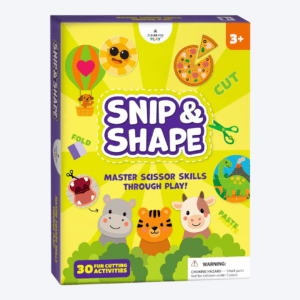
Best for Cutting Practice: Clever Fox Play Snip & Shape Activity Book
Scissor skills are often overlooked, but they’re essential for school readiness.
The Clever Fox Play Snip & Shape Activity Book provides guided cutting activities that feel fun rather than instructional.
Why it works:
- Builds scissor control
- Improves bilateral coordination
- Structured but engaging
- Great for at-home practice
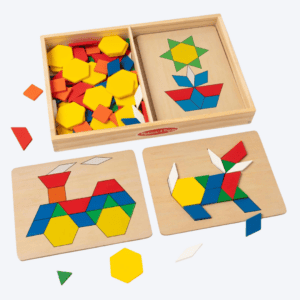
Best for Pattern Recognition: Melissa & Doug Pattern Blocks and Boards
Pattern blocks help children practice precision while building visual-motor integration skills.
The Melissa & Doug Pattern Blocks and Boards set combines structured templates with open-ended creativity.
Why it works:
- Encourages precision and focus
- Supports early math concepts
- Strengthens grasp control
- Durable wooden pieces
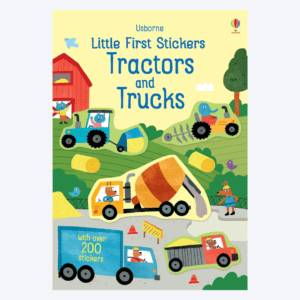
Best for Finger Strength: Usborne Little First Stickers – Tractors & Trucks
Peeling and placing stickers may look simple, but it builds important finger strength and coordination.
The Usborne Little First Stickers books are especially engaging for children who need motivation to practice fine motor tasks.
Why it works:
- Strengthens finger isolation
- Encourages independent play
- Low-pressure fine motor practice
- Affordable and portable
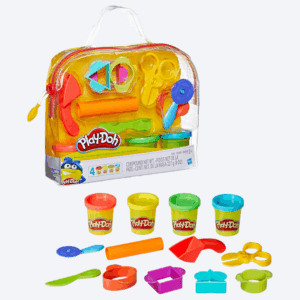
Best Open-Ended Option: Play-Doh Starter Set
Never underestimate classic play-dough. Rolling, pinching and shaping dough strengthens hands in a way that feels completely natural.
The Play-Doh Starter Set includes tools that increase resistance and challenge hand control.
Why it works:
- Strengthens grip naturally
- Encourages creativity
- Easy to adapt to different skill levels
- Budget-friendly
Tips for Parents Supporting Sensory & Fine Motor Growth
- Keep sessions playful and low-pressure—avoid turning them into “lessons.”
- Rotate toys regularly so kids stay engaged and excited.
- Join in the play! Connection is just as important as development.
- Remember that small moments add up—even five minutes of play can make a difference.
How to Choose the Right Toy for Your Child
If your child tends to:
- Chew clothing → consider chew necklaces
- Struggle with sitting still → try weighted input
- Avoid handwriting → focus on lacing and sticker activities
- Seek constant movement → offer kinetic sand or fidget strings
Start with one or two tools. You don’t need everything at once. The goal is support, not overwhelm.
Learning through play doesn’t need to be complicated. With just a few simple tools and ideas, we can help our children thrive, whether they’re working on focus, independence, or everyday life skills.
You Don’t Have to Navigate This Alone
Parenting ADHD can feel isolating. If you’d like practical support and honest conversations, join our Parenting ADHD Together community.